Partnerships are important to PRHA. We think that they are a stepping stone to improving the lives of our residents and also the local community that we are a part of, which is why we aim to work or collaborate with those partnerships that have a similar ethos to our own, helping some of the most vulnerable in society to thrive.
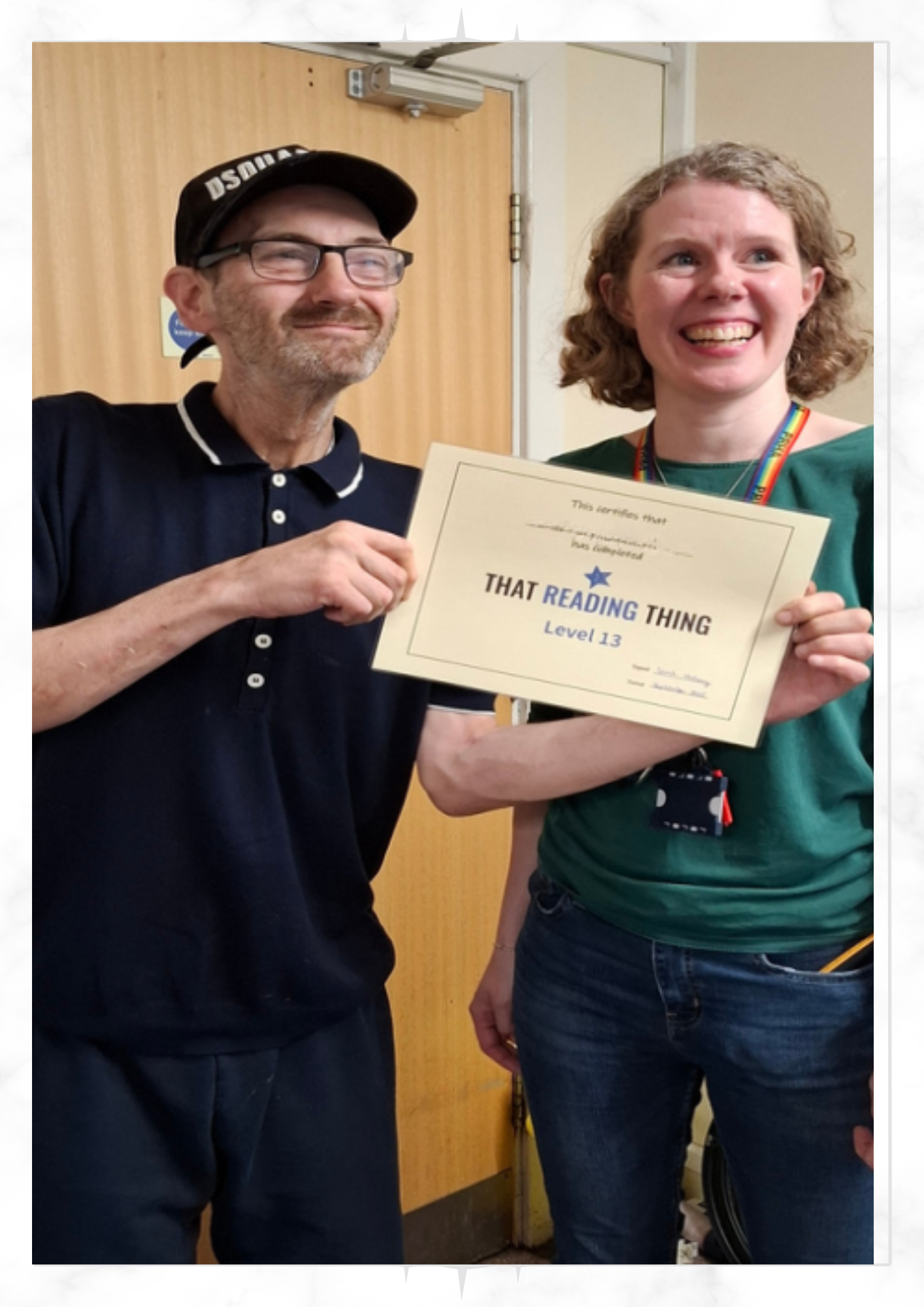
My name is Sarah Halsey and I am the English language and literacy teacher at Providence Row Housing Association. I run English language and reading and writing classes for PRHA residents. The classes are mainly one to one but I also run a group class. I help people to work on their reading, writing, speaking and listening skills. Some of the people I work with have English as their first language.
Others have English as their second language. The classes are open to all residents. If a resident is interested in classes they can speak to staff where they live. The staff can tell them about the classes and I can meet with the resident if they are interested in starting. I work closely with hostel managers and staff to support residents taking part in lessons.
The aim of the lessons is for residents to be able to work on their skills and enjoy taking part. When I start working with a resident, I ask them what skills they want to work on and how they like to study. We make a plan for their study together. We celebrate successes and achievements. If a resident is interested in other classes, for example at college or at the library, I can help them to find these also.
I have been working with one learner for over five years. One day he showed me a notebook he has had throughout that time. When I asked him about his experience of English class, I started by asking him about his notebook:-
“I have my notebook 5 years. It is for my study and my thinking and picture sometimes, drawing. My notebook help me very much because my memory is very bad. My notebook is a place for my study and new words in English. I can look at things I write again. It’s nice. It is a little history in England, in London. My history.
I live here, in England. I speak a little bit English. I need English class to talk to the embassy and shopping, for routine life in England. I think this is normal. I need it. It helps me. This is a big help for me, study.
It helps for my confidence because I understand people on the street, in the shop. Just now the doctor called me. I understand what they say. I read the newspaper sometimes, watch English TV programmes. It’s a big difference for me. It changed my life. I am happy for my confidence, my life in England is a little bit easier.
I think everyone needs it. Homeless people from [other countries] and no speak English need it because if people don’t understand things it is problem. Everyone need English class, it helps a lot. I lost my ID card 5,6 times. I need English in the conversation at the embassy. They ask questions; ‘Name? Date of birth? Address?’ I need a translator? No. I no need it now. I understand. Sometimes they ask special question. I say ‘again please and slowly’. It’s no problem for me, now.”
PRHA resident
You can here a podcast of Sarah talking about her work with PRHA by clicking here
I’m Ilyas Abdulle, and I’ve been Providence Row Housing Association’s Resident Engagement Coordinator since December 2024.
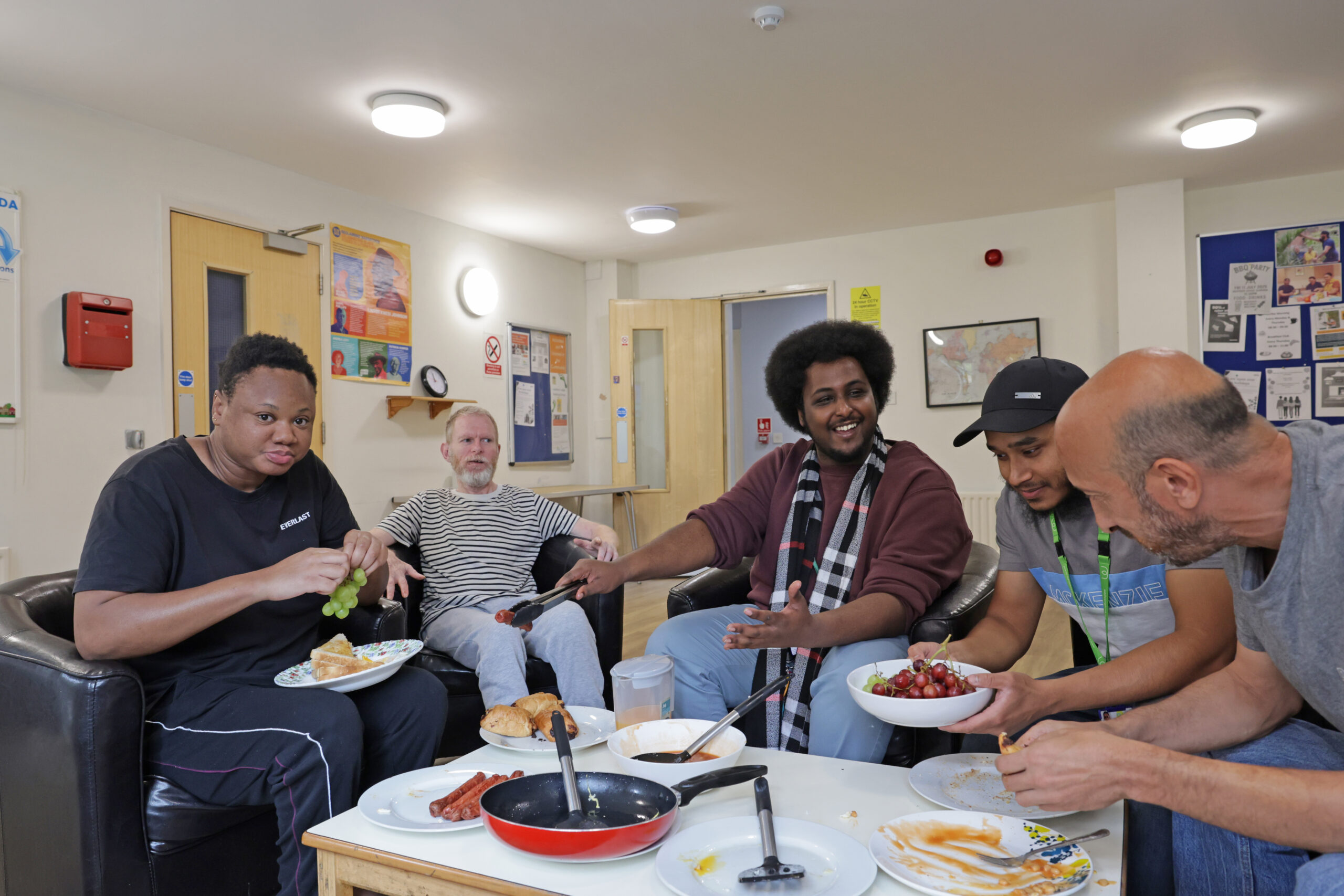
What I love most about my role is that no two days are ever the same. I work across all of PRHA’s different projects, so I’m constantly meeting residents and staff from all walks of life. One day I might be organising a trip to the Tower of London, London Zoo, HMS Belfast or the Imperial War Museum, and the next I’m out with a group seeing a film, sharing a meal, or just spending time together building connection. The variety keeps it exciting, and importantly meaningful!
Alongside trips and external partnerships, I also run regular in house activities. I host cooking classes, weekly fry up breakfasts, karaoke sessions, and I offer guitar and piano lessons for residents who want to learn something new or rediscover an old interest. I’ve also been supporting residents with digital skills helping them to set up emails, apply for jobs online, and build confidence. Sometimes it’s the smallest skills that create the biggest sense of independence.
Before stepping into this role, I was actually part of PRHA’s community myself, living at a PRHA Scheme. That experience changed my life. I know first-hand what it feels like to arrive unsure, overwhelmed, and trying to rebuild. Because of that, a big part of my work is both one-to-one and group engagement. I sit with residents who see themselves in my story, people who are struggling but want change. Having lived through homelessness myself, I can speak to them not just as a staff member, but as someone who understands. That relatability often opens doors where people are more comfortable to open up
I’ve also worked on outreach and external partnerships, helping to create opportunities beyond the building. Whether that’s collaborating with organisations to secure discounted or free access to cultural spaces, or making sure residents who use wheelchairs can attend trips comfortably, inclusion is always at the forefront. We make sure events cater for everyone vegan, vegetarian, halal and Kosher, because belonging only works when it truly includes everyone.
I work with residents across a wide range of support needs, from mental health and trauma recovery to homelessness, substance misuse, and older age support. It’s incredibly humbling to witness the resilience people show every day. I’m constantly learning from them just as much as I’m supporting them.
For me, this role isn’t just a job. It’s deeply personal. It’s about giving back to the same community that helped me rebuild my life. It’s about breaking down the “us and them” barrier between staff and residents. And it’s about creating spaces, whether through food, music, trips, conversation or simple consistency where people feel seen and heard.
At the end of the day, if someone leaves an activity feeling a little more confident, or a little more hopeful than when they arrived, then I’ve done my job.